
Laser Vein Treatment
Visible veins on the face or legs — whether from genetics, sun exposure, or simply time — don't require surgery or downtime to treat. Our vascular laser technology precisely targets unwanted veins and broken capillaries, collapsing them without needles or incisions.
How Vascular Laser Treatment Works
The laser's light energy is selectively absorbed by hemoglobin inside the targeted vein, heating and collapsing the vessel while leaving surrounding skin untouched. Over the following weeks, the body naturally reabsorbs the treated vein, and it fades from view.
What to Expect
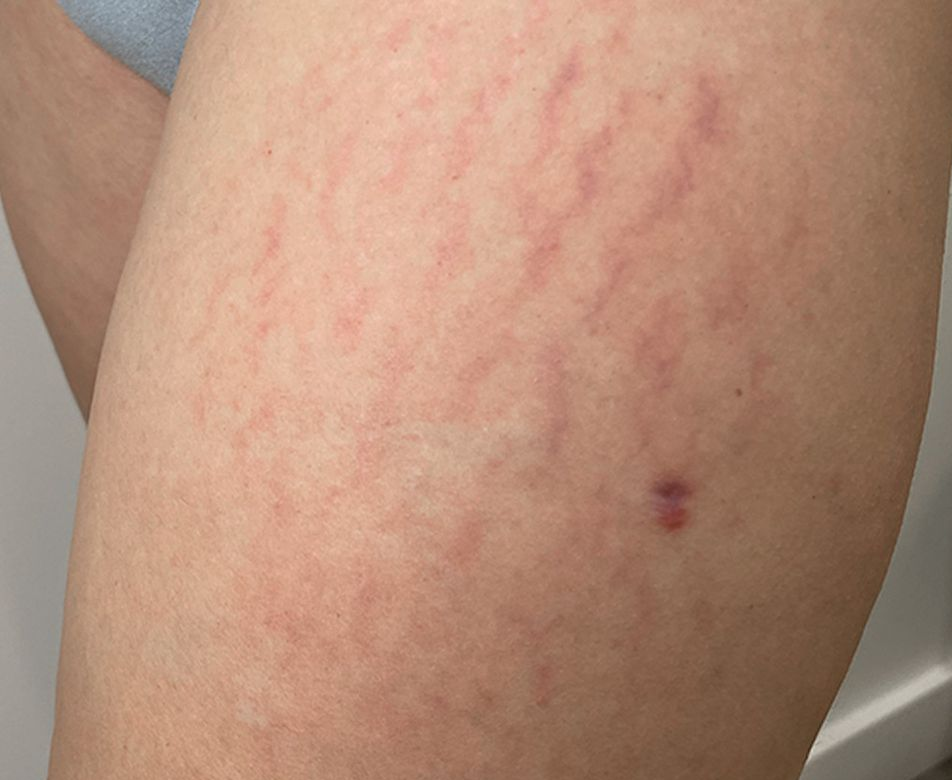
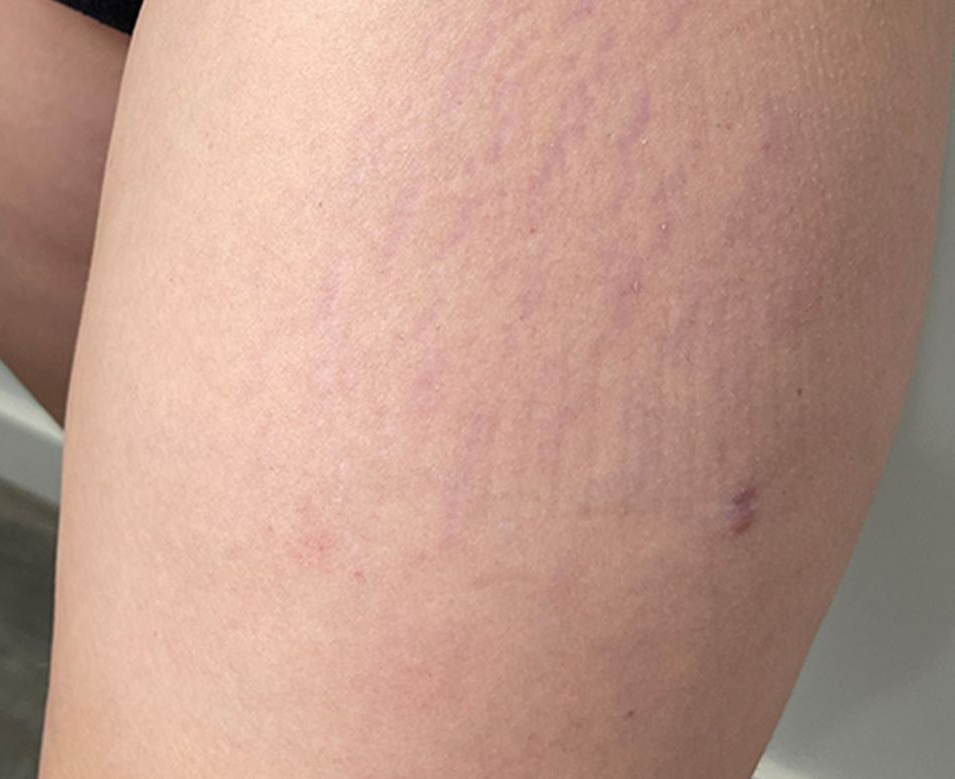
Most patients describe a brief snapping or rubber-band sensation during treatment, with no needles or anesthesia required. Treated veins may darken or bruise slightly before fading over the following days to weeks, and most patients return to normal activities immediately after their appointment. Larger vein networks, particularly on the legs, may benefit from more than one session.
What It Treats
• Facial veins on the nose, cheeks, and chin
• Spider veins on the legs
• Redness and flushing from rosacea
• Broken capillaries and cherry angiomas
Why Choose Our Practice for Vein Treatment
Not every visible vein is best treated with a laser alone — some benefit more from sclerotherapy or a combined approach. Because Dr. Blanchard evaluates every patient with a surgeon's understanding of vascular anatomy, your treatment plan is built around what will actually resolve your veins, not a single default protocol.
Frequently Asked Questions
Is laser vein treatment painful?
Most patients tolerate treatment well without anesthesia, describing mild discomfort similar to a rubber band snap
How many sessions will I need?
Facial veins often resolve in one to two sessions. Leg veins vary more and commonly require two to four sessions for best results.
Will the veins come back?
Treated veins do not return, but new veins can develop over time due to genetics, sun exposure, or hormonal factors.
Is this the same as sclerotherapy?
No. Sclerotherapy uses an injected solution and is typically better suited to larger leg veins, while laser treatment is needle-free and ideal for smaller surface veins. Dr. Blanchard will recommend the right approach — or a combination — at your consultation.